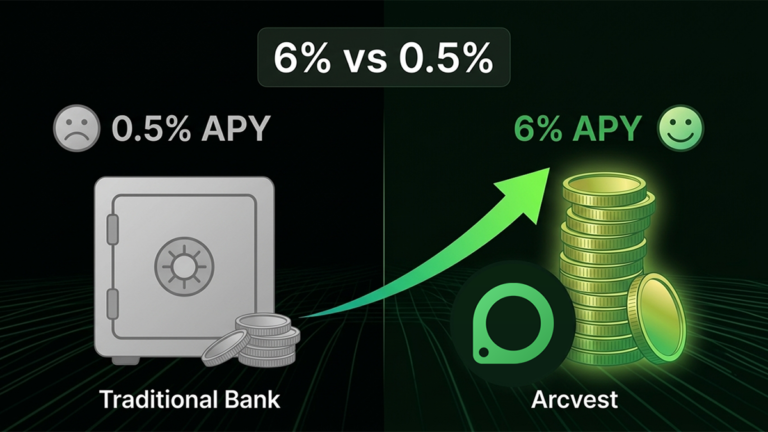

Earning 6% on stablecoins sounds too good to be true. Understanding where yield comes from is essential to evaluating whether it’s sustainable and safe.
DeFi lending protocols are marketplaces connecting lenders and borrowers. Lenders deposit assets into liquidity pools. Borrowers take loans from these pools by providing collateral. Interest paid by borrowers flows to lenders.
Aave has over $10 billion locked in its protocols. Users deposit stablecoins like USDC which borrowers can then take as loans. Borrowers must provide collateral worth more than their loan value, typically 150-200%.
Why would someone borrow at high interest rates? Leverage. Traders borrow to increase position sizes without selling existing holdings. DeFi users borrow one asset to farm yield in another protocol. The use cases are numerous.
Interest rates float based on supply and demand. When borrowing demand is high and liquidity is low, rates increase. When supply is abundant and demand is soft, rates decrease. This creates market-based pricing.
The average USDC rate on Aave fluctuates between 3-8% annually depending on market conditions. Protocols adjust rates algorithmically to maintain optimal utilization ratios and ensure sufficient liquidity.
Over-collateralization makes these loans extremely safe. Borrowers must deposit $150 worth of ETH to borrow $100 of USDC. If collateral value drops, the protocol automatically liquidates positions to protect lenders.
Five years of operation without major losses demonstrates protocol safety. Aave and Compound have withstood market crashes, black swan events, and numerous stress tests while protecting lender funds.
Smart contract risk exists but is minimized through audits. These protocols have undergone dozens of security reviews by leading firms. Code is open source and scrutinized by thousands of developers.
Arcvest diversifies across multiple protocols. Rather than deploying all funds to one platform, deposits split across Aave, Compound, and Maker. This diversification reduces protocol-specific risk.
Insurance coverage adds another protection layer. Funds deposited through Arcvest are insured up to $250,000 per user, providing additional security beyond protocol-level protections.
The yield is real and sustainable because it comes from actual borrower interest payments. This is not a Ponzi scheme promising unrealistic returns. It’s a functioning financial marketplace with real supply and demand.
DeFi yields fluctuate with market conditions but have consistently outperformed traditional savings accounts. Even during bear markets, stablecoin rates typically exceed 3-4%, still 6-8x better than banks.
Understanding how yield works builds confidence in DeFi as a legitimate financial system. These protocols represent the future of finance—transparent, efficient, and accessible to anyone globally.